
Are Building Material Prices Going Down in 2026?


Are building material prices going down in 2026? The picture is mixed – some materials have stabilised or reduced from their 2021-22 peaks, others remain elevated, and a few are still rising. Understanding the current materials market helps tradespeople price jobs accurately and manage customer expectations.
What Happened to Material Prices
The construction materials price spike of 2021-22 was driven by supply chain disruption, high energy costs, and a post-lockdown surge in home improvement activity. At its peak, timber prices were 80-120% above 2019 levels and many insulation and plasterboard products had lead times of weeks.
That acute phase has passed. Supply chains have normalised and demand has moderated from the 2021-22 peak.
Materials That Have Stabilised or Reduced
Timber: Softwood timber prices have fallen significantly from their 2022 peak and are closer to pre-pandemic levels, though still above 2019 for many products. UK and European production has recovered. See the Builders Merchants Federation’s price tracking for current data.
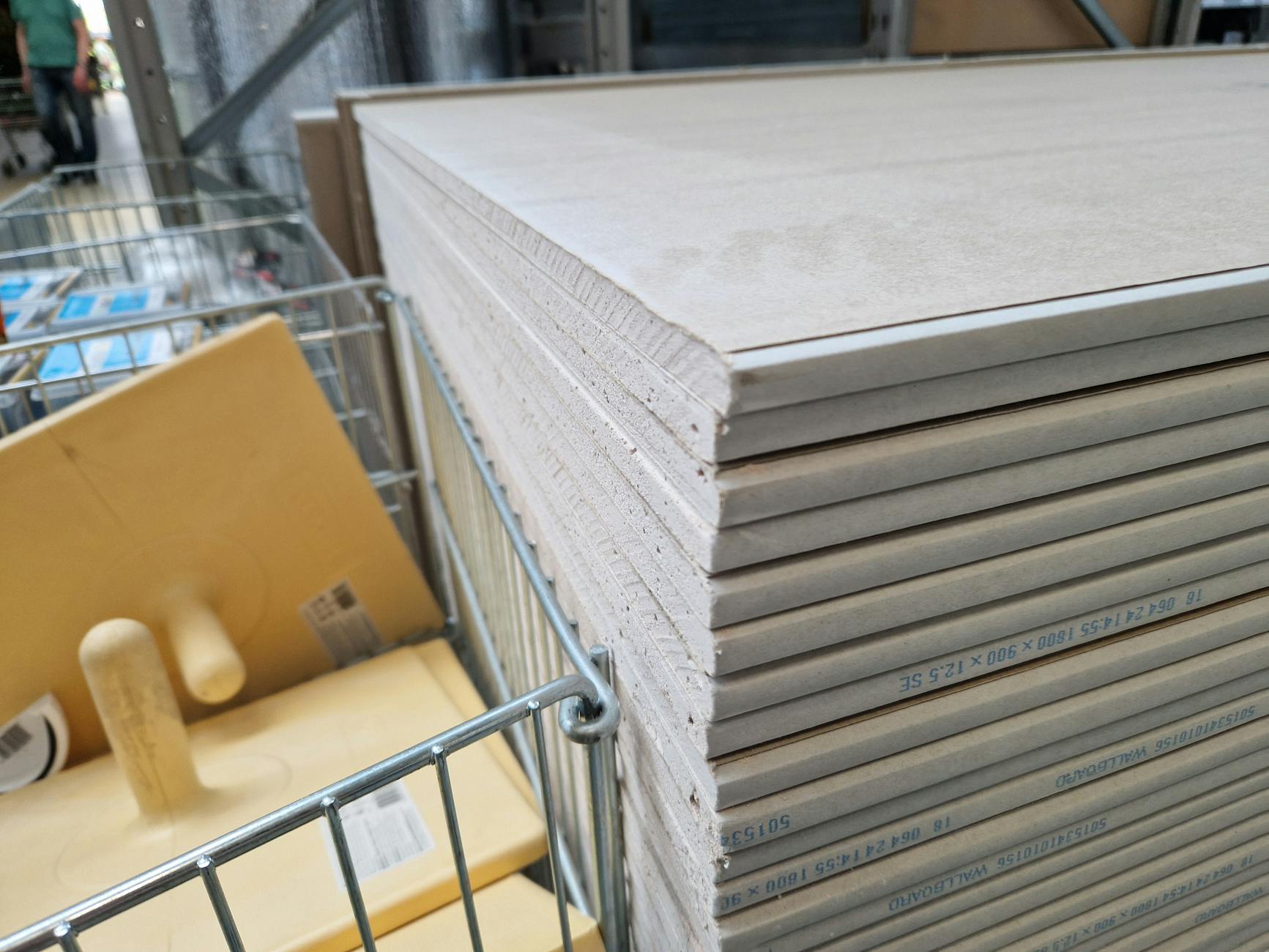
Plasterboard: Knauf and British Gypsum supply has normalised. Lead times are standard. Prices are elevated versus 2019 but stable.
PVCu and plastics: Have tracked back towards pre-pandemic levels as energy costs (a major input) have moderated.
Materials Still Elevated or Rising

Copper: Cable and pipework prices remain high, tracking global copper commodity prices. Copper has structural demand from EV transition and renewable energy infrastructure that keeps prices elevated. Electricians and plumbers should price copper carefully.
Insulation: Demand from retrofit programmes and building regulations keeps insulation prices firm.
Specialist heating equipment: Heat pump units and solar inverters are more stable now but still command premiums over pre-pandemic prices, particularly for premium brands.
Practical Implications for Tradespeople
Price materials at current costs, not last year’s. The gap between a quote based on old material costs and the actual purchase price erodes your margin. Check current prices at your merchant before quoting any significant job.
Quote validity periods: Keep quote validity at 30 days maximum for jobs with significant material content. A 3-month-valid quote for a rewire or solar installation is a liability.
Build in a materials contingency: For jobs where the material specification may change based on site conditions (extended cable runs, additional pipework etc.), include a provisional sum rather than a fixed price on uncertain elements.
Conclusion
Pricing correctly is not about charging the most – it is about charging enough to run a sustainable, profitable business. The tradespeople who consistently undercharge are not doing customers a favour; they are putting their businesses at risk and making it harder for everyone in the industry to charge fair rates. Know your costs, add your margin, and price with confidence. For further guidance, visit ONS: construction material prices.
Frequently Asked Questions
Builders Merchants Federation (BMF) publishes price indices. Your local merchants (Travis Perkins, Jewson, Selco, local independents) are the most accurate real-time source. For electrical materials, CEF and Rexel publish online pricing.
Include a materials escalation clause in your terms and conditions for projects exceeding 30 days. Something like: “Material prices are subject to change. Any increase in supplier prices greater than 5% will be notified and agreed before additional materials are ordered.” This is standard practice on commercial contracts.
CoreQuote lets you send professional quotes from your phone in seconds — free to start, no card required.
How Material Price Changes Affect Contractor Margins
The practical challenge for contractors isn’t just tracking material prices — it’s making sure your quoting keeps pace with them. A quote based on prices from six months ago, submitted to a customer today, may already be underpriced before the work starts.
The quoting lag problem
Many contractors build their pricing from a library of materials costs that are updated infrequently. When material prices move — in either direction — quotes based on stale prices either leave money on the table (if prices have risen) or make the contractor appear uncompetitive (if prices have fallen). Keeping your pricing library updated is not just good housekeeping: it’s a direct contributor to margin.
Supplier price list updates
Most builders’ merchants and material suppliers issue periodic price lists — monthly or quarterly, or triggered by significant cost movements. Importing a new price list into your quoting system every time it arrives keeps your quotes current without manual price checking on every job. This is one of the most undervalued efficiency gains available to trades businesses that quote regularly.
Material Cost Clauses in Longer Contracts
For projects running longer than 4–6 weeks where material procurement will happen some time after the quote is agreed, consider including a material cost variation clause in your contract. A straightforward clause — “This quote is based on current material prices. Any variation of more than 5% in material costs between quote acceptance and procurement will be discussed with the client” — protects you from significant market movements without alarming the customer.
Quote professionally with CoreQuote
Free to start. No card required.
Download on AndroidDownload on iOS