
The Best Trades to Start a Business in the UK Right Now
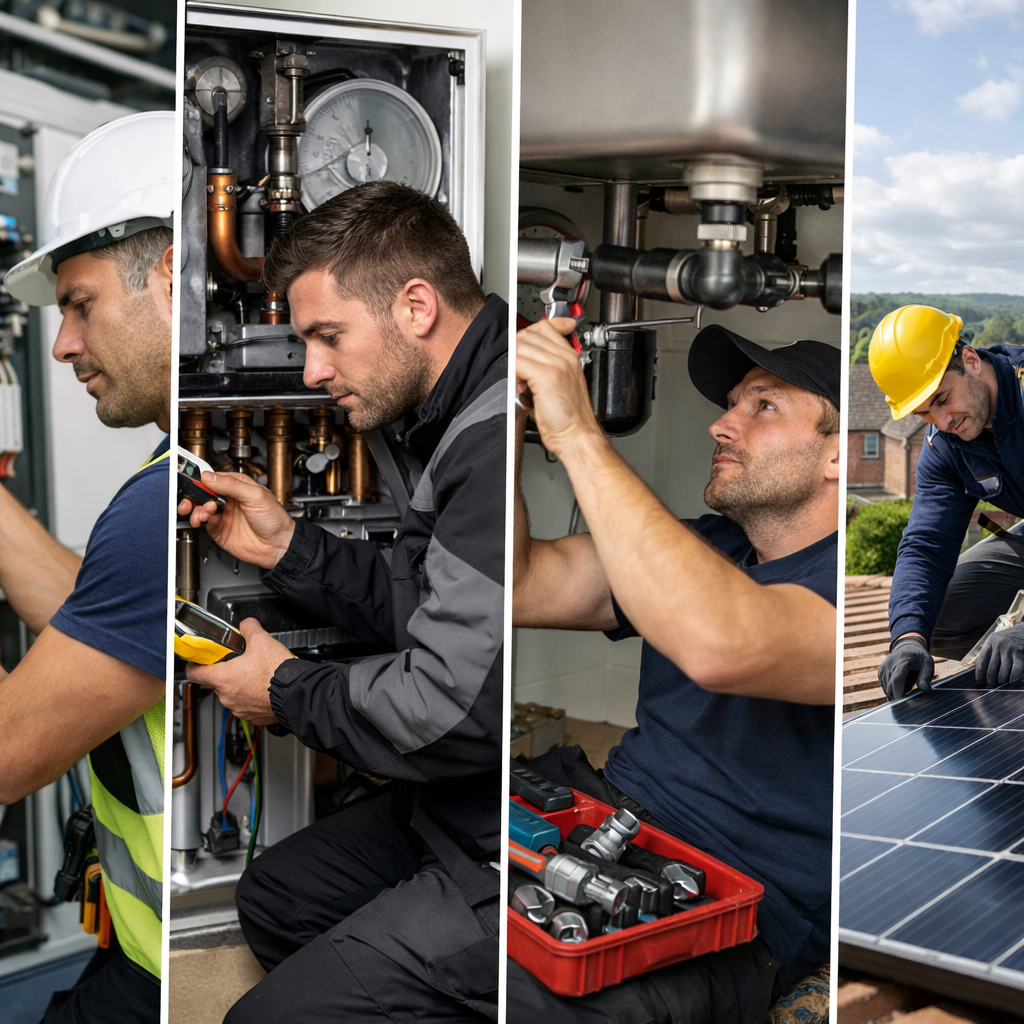

The best trades to start a business in right now combine high demand, a real skills shortage, and strong earning potential – and in 2026, a clear tier of trades meets all three criteria. This guide ranks the opportunities honestly.
Tier 1: Highest Demand, Strongest Earnings
Electrician (with specialist qualifications) The UK faces a genuine shortage of qualified electricians. Add EV charging (City & Guilds 2921) and solar PV (City & Guilds 2399 + MCS), and you are positioned in three of the fastest-growing domestic electrical markets simultaneously. Sole trader earnings of £55,000-£90,000 are realistic within 2-3 years. See our electrician business guide.
Gas Engineer / Heating Engineer Gas Safe registered heating engineers are in persistent short supply. Annual service contracts create recurring income. Expanding into heat pumps (F-Gas + MCS) adds a premium market segment. Realistic sole trader earnings: £50,000-£85,000. See our gas engineer business guide.
Plumber Plumbing demand is structural and non-deferrable. Emergency callouts, landlord maintenance, and bathroom installations create a diverse revenue base. Add gas qualifications and you access the heating engineer market. Realistic sole trader earnings: £45,000-£75,000. See our plumbing business guide.
Tier 2: Strong Demand, Good Earnings

Solar Installer A genuinely booming market with good margins and growing customer awareness. Requires electrical qualifications plus MCS certification. Strong spring/summer peak demand. See our solar installation business guide.
Roofer UK housing stock maintenance creates consistent demand. NFRC membership unlocks commercial opportunities. Emergency repair work commands premium rates. Realistic sole trader earnings: £40,000-£70,000. See our roofing business guide.
Plasterer Low startup costs, immediate earning potential, and consistent demand from renovation and new build. Limited regulatory overhead compared to gas and electrical. Realistic sole trader earnings: £35,000-£60,000. See our plastering business guide.
Tier 3: Solid Market, More Competition
Painter and Decorator: Consistent demand but more competitive for new entrants. Specialist finishes (Venetian plaster, heritage) command significantly higher rates.
Landscaper/Groundworker: Strong seasonal demand, lower regulatory overhead, but weather-dependent income and equipment costs.
Handyman: Accessible start, broad demand, but harder to scale and more competition at the lower end of pricing.
Frequently Asked Questions
Gas engineers with heat pump qualifications and electricians with solar and EV charging qualifications currently have the highest earning potential relative to the qualification investment. Both can realistically earn £70,000-£90,000+ as established sole traders.
Painting and decorating – no mandatory licence, low startup costs, immediate earning potential. Plastering is similar. For regulated trades (gas, electrical), the qualification requirements are non-negotiable but create a higher earnings floor. See our trades business guides for full trade-specific detail.
Whatever trade you’re in, CoreQuote helps you quote and invoice professionally from day one. Join the beta free on Google Play.
What Makes a Trade a Good Business Choice in 2026
The best trade to start a business in isn’t necessarily the one with the highest day rate — it’s the one that balances earning potential, training cost, barrier to entry, and long-term demand. A trade with high day rates but extreme competition and high equipment costs may be less profitable to start in than a trade with moderate rates but low barriers and consistent residential demand.
Trades with strong tailwinds in 2026
Heat pump installation — the government’s drive toward decarbonising home heating is creating strong demand for heat pump engineers. Existing plumbers and heating engineers who add heat pump qualifications are well-positioned. The MCS certification requirement creates a barrier that protects margins for accredited installers.
EV charger installation — electric vehicle adoption continues to grow, and domestic charger installation is a high-margin add-on for electricians. The work is relatively fast (half-day per installation), the ticket value is good (£800–£1,500 per charger installed), and OZEV-authorised installer status provides a marketable quality signal.
Bathroom and kitchen fitting — refurbishment work is insulated from new-build market slowdowns. Homeowners who can’t move are renovating instead. Bathroom and kitchen fitters with a good portfolio and fast quoting capability are consistently in demand.
Starting Out: The First 12 Months
The biggest risk for new trades businesses in the first year isn’t technical quality — it’s cash flow. Jobs take longer than expected, payment terms are informal, and materials costs eat into margin before you’ve developed supplier relationships. Getting professional quoting and invoicing habits in place from day one — written quotes, agreed payment terms, invoicing on completion — protects you from the cash flow problems that end many new businesses in year one.
Related reading:
Quote professionally with CoreQuote
Free to start. No card required.
Download on AndroidDownload on iOS