
How Much Should a Contractor Charge Per Hour in the USA?

How much should a contractor charge per hour in the USA? In 2026, US contractor rates range from $75 to over $200 per hour depending on your trade, state, experience, and whether you’re running a one-man operation or a crew. Most self-employed contractors significantly undercharge – here’s how to know if you’re one of them.
US Contractor Hourly Rates by Trade (2026)
| Trade | Typical Hourly Rate | Range |
|---|---|---|
| General contractor | $70-$130/hr | $50-$200+ |
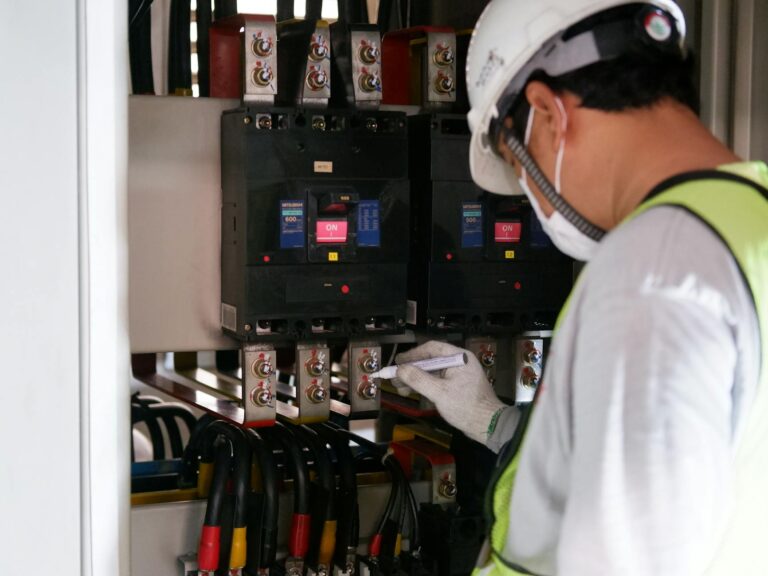
| Electrician | $100-$180/hr | $75-$250+ |
| Plumber | $100-$175/hr | $75-$220+ |
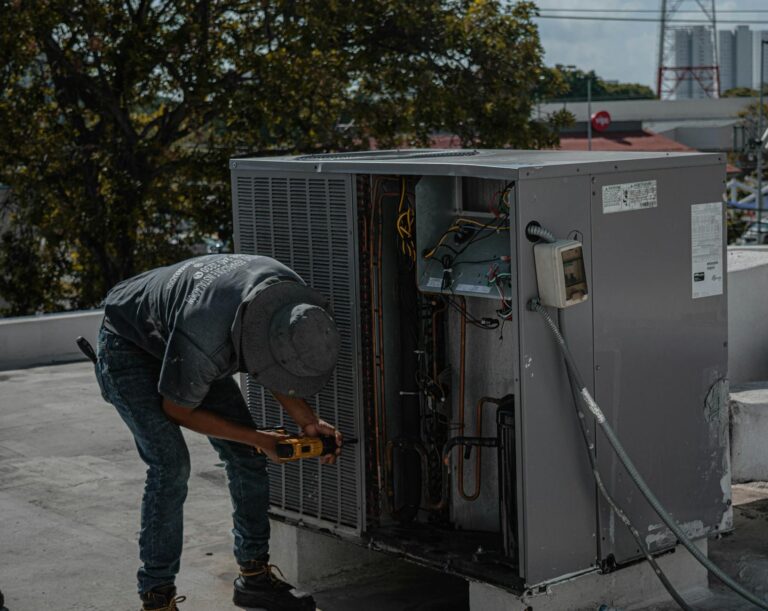
| HVAC technician | $90-$160/hr | $75-$200+ |
| Roofer | $60-$110/hr | $45-$160+ |
| Painter | $50-$90/hr | $35-$130+ |
| Carpenter / Joiner | $70-$130/hr | $50-$180+ |
| Tiler | $55-$100/hr | $40-$150+ |
| Landscaper | $50-$100/hr | $35-$150+ |
| Handyman | $50-$90/hr | $35-$120+ |
Sources: HomeAdvisor, Angi, Bureau of Labor Statistics, 2026 data.
Regional Variation
Location matters enormously:
| Region | Adjustment vs national average |
|---|---|
| New York City, San Francisco, Seattle | +50-80% |
| Los Angeles, Boston, Chicago | +30-50% |
| Dallas, Phoenix, Atlanta | +5-20% |
| Rural Midwest, Southeast | −10-25% |
An electrician charging $150/hr in Manhattan is billing the same net margin as one charging $90/hr in rural Ohio – once cost of living and overhead are factored in.
Why Most Self-Employed Contractors Undercharge
The most common mistake is pricing based on what an employee earns – not what a self-employed business owner needs to earn.
If an electrician employee earns $45/hr, their employer is paying: $45 + employer payroll taxes (~$7) + workers comp (~$4) + benefits (~$8) + overhead allocation (~$10) + profit = $74/hr minimum cost to the employer before any margin.
As a self-employed contractor, you are the employer. You must cover all of that yourself – plus your own health insurance, retirement, truck, and tools. Your rate needs to reflect it.
Frequently Asked Questions
Add up all your annual costs (take-home target + self-employment tax + insurance + truck + tools + other overhead), divide by your realistic billable hours (typically 1,000-1,400/year for a sole operator), and add your profit margin. See our contractor pricing guide for a full worked example.
Yes – 1.5-2x your standard rate for emergency callouts, evening, and weekend work is standard and widely accepted by customers who need urgent service.
Quote at the rate you actually calculated
CoreQuote turns your day rate straight into a professional quote — no re-typing the numbers into a different app. Once you’ve set your price, the next step is collecting it: How to Ask for a Deposit Without Losing the Job covers that.
Download CoreQuote FreeSee everything CoreQuote does on the download page.