
How to Start a Tiling Business in the USA: A Complete Guide for 2026
Tiling is a strong trade for self-employment — relatively low startup costs compared to many trades, consistent residential and commercial demand, and genuine room to specialise and grow into premium markets. Here is how to start a tiling business that is set up properly from day one.
Check Your Licensing Requirements First
Before taking on any paying work, verify your state’s licensing requirements for tile contractors. California (C-54 licence), Florida (tile and marble contractor registration), and several other states require formal licensing for contracts above certain thresholds. Even in states without specific tile licences, local permits may be required for renovation work. The SBA’s licensing portal links to every state’s contractor board.
Register Your Business
Most new tiling businesses start as sole proprietorships — register your business name with your county or state, obtain an EIN from the IRS, and open a separate business bank account. As the business grows, transitioning to an LLC provides personal liability protection. The key early decision is whether to operate under your own name or build a branded business name that can eventually operate independently of you.
Essential Equipment
Starting a tiling business requires a meaningful equipment investment. Core tools: wet tile saw, angle grinder, mixing drill, levels and squares, notched trowels in various sizes, grout floats, tile spacers, knee pads, and a good supply of consumables. A quality tile saw alone costs $300–$1,500. Total tool outlay for a new tiling business typically runs $2,000–$6,000 for quality used equipment.
Insurance and Pricing
General liability insurance is essential before taking on any work — $1 million coverage costs most solo tilers $500–$1,200 per year. Tiling rates in the US range from $4–$32 per square foot for labor depending on tile type, pattern complexity, and market. Hourly rates for tilers run $35–$85/hour in most markets, higher in coastal cities. Calculate your costs carefully before setting rates.
Building Your First Client Base
Your first tiling jobs will likely come through personal connections, Nextdoor and local Facebook groups, and a Google Business Profile set up from day one. Join local contractor networks and introduce yourself to remodelling companies — consistent referrals from a few GCs are worth more than any amount of paid advertising for a new tiling business.
Quote jobs in seconds. Free forever.
No spreadsheets. No expensive subscriptions. Send professional quotes from your phone, on-site.
Download CoreQuote FreeA solo tiling business typically requires $3,000–$8,000 for tools, insurance, and registration. Starting with quality used equipment keeps startup costs manageable. BLS construction data covers earnings expectations.
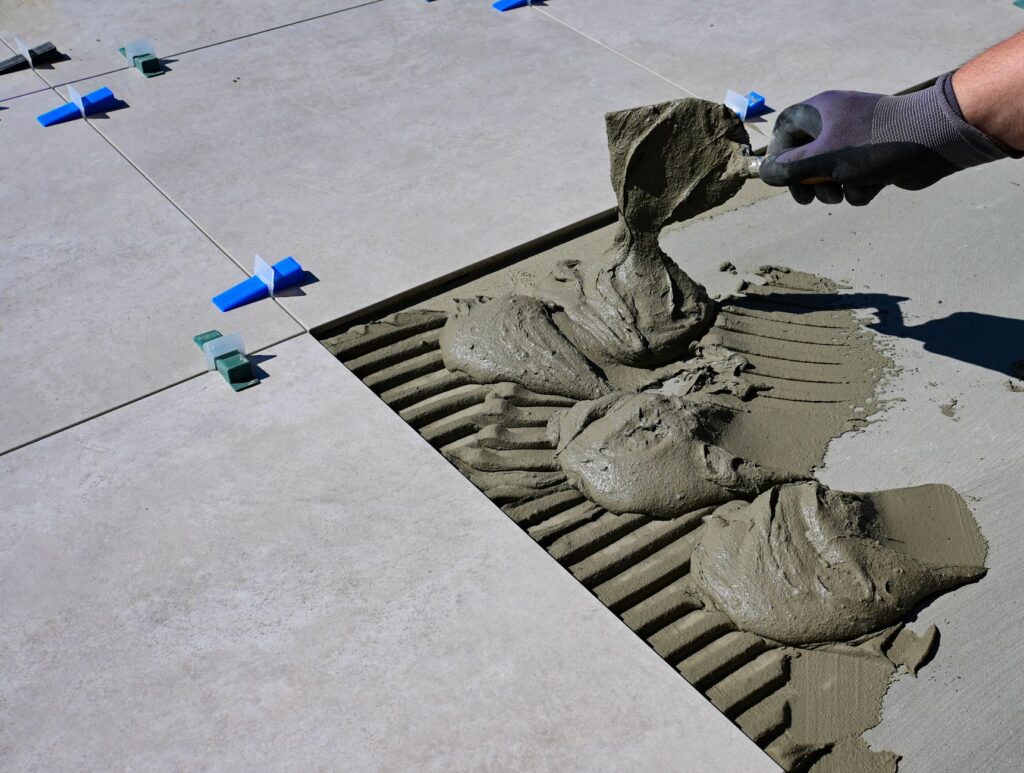
Labor rates range from $4–$32 per square foot depending on tile type, pattern complexity, and market. Simple floor tile runs toward the lower end; intricate mosaic or large-format installations command premium rates.
A sole-trader tiling business with controlled startup costs and a focused marketing approach can reach profitability within three to six months. Building a strong referral network is the primary driver of growth.
Related reading: