
Qualifications to Be a Landscaper in the USA: What You Actually Need
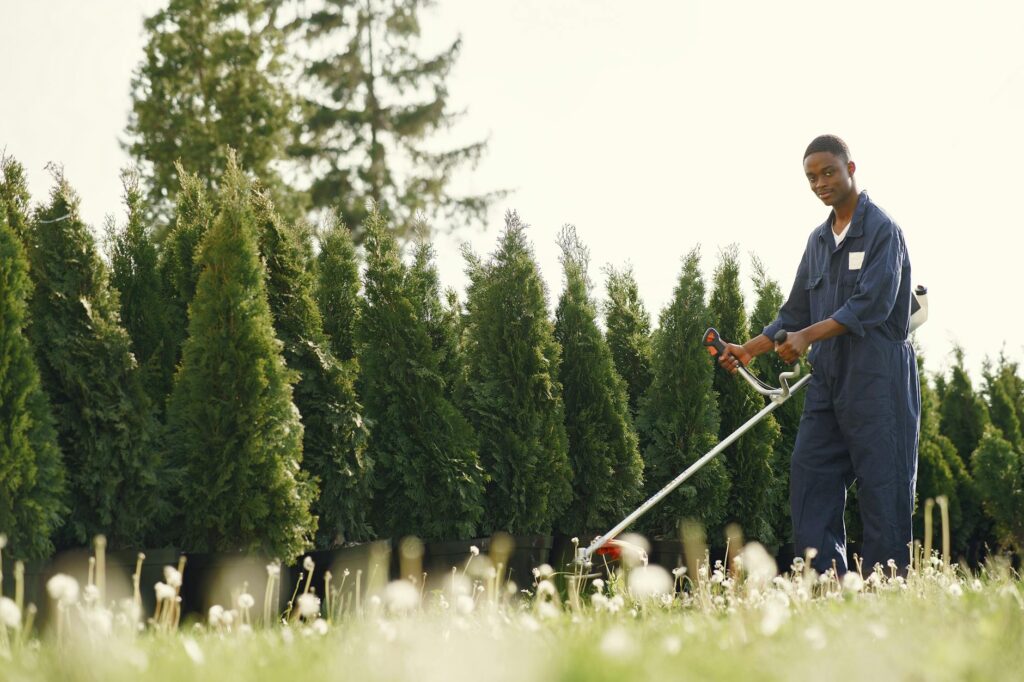
Landscaping is one of the more accessible trades in the US — you do not need a four-year degree, and in many states you can start working without any formal certification. But “accessible” does not mean “unregulated.” Here is exactly what qualifications you need, which vary by state, and which genuinely improve your earning potential.
Is a Licence Required to Work as a Landscaper in the USA?
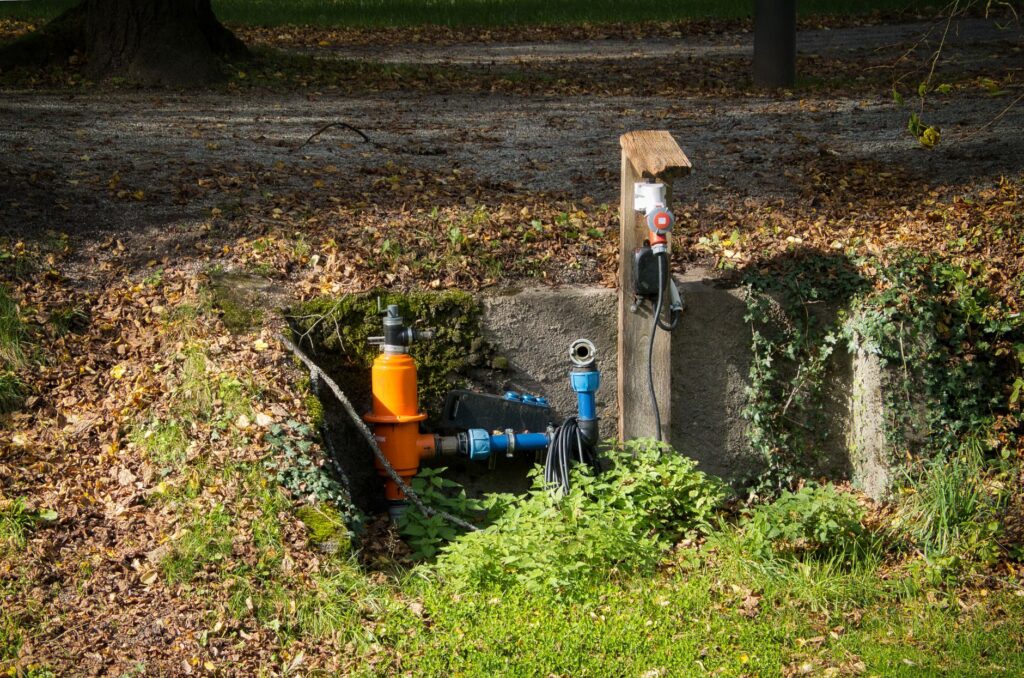
It depends on the state and the scope of work. General landscaping — mowing, planting, mulching, basic maintenance — typically requires no licence in most states. However, specific services require licensing almost everywhere: pesticide application requires a state pesticide applicator certificate, irrigation system installation requires a plumber’s or irrigation contractor’s licence in many states, and tree surgery requires an arborist certification in several states.
If you are running a business and taking on contracts over a certain dollar threshold, a contractor’s licence may also be required. California, for example, requires a C-27 Landscaping Contractor licence for contracts over $500. Florida, Arizona, and Nevada have similar requirements. Always check with your state’s contractor licensing board before bidding on larger jobs.
Useful Certifications for US Landscapers
Even where not legally required, professional certifications improve your credibility, justify higher rates, and help you win commercial contracts. The most widely recognised in the US are:
- NALP Certified Landscape Professional (CLP): The industry standard from the National Association of Landscape Professionals. Requires field experience and passing an exam.
- ISA Certified Arborist: Required or preferred for tree care work. Issued by the International Society of Arboriculture.
- State Pesticide Applicator Licence: Mandatory for any pesticide or herbicide use. Your state’s Department of Agriculture issues these.
- Irrigation Association Certifications: Relevant for landscapers who install or service irrigation systems.
What Experience Do You Need?
Most landscaping certifications require a period of documented field experience alongside the exam — typically one to two years. For a contractor’s licence, states usually require two to four years of verifiable experience in the trade before you can sit the licensing exam.
Apprenticeship programmes through NALP and state trade associations provide structured routes into the profession and often qualify as the required experience. Community college programmes in horticulture, landscape design, or turf management are also useful, particularly for those moving into design-led or commercial landscaping work.
Running Your Own Landscaping Business
Once qualified and licensed appropriately, the business side of landscaping — quoting, invoicing, customer management — is where most sole-trader landscapers lose time. Mobile quoting apps designed for trade businesses mean you can send a professional, itemised quote from your phone before leaving a site visit. That speed advantage wins more work than almost any other single change a new landscaping business can make.
Quote jobs in seconds. Free forever.
No spreadsheets. No expensive subscriptions. Send professional quotes from your phone, on-site.
Download CoreQuote FreeIn most states, general landscaping does not require a licence. However, specific services — pesticide application, irrigation installation, tree surgery — are separately regulated. Contractor licensing thresholds vary by state. The SBA licensing guide is a useful starting point.
The NALP Certified Landscape Professional (CLP) and ISA Certified Arborist certifications are the most widely recognised. Both are associated with higher rates and better access to commercial contracts.
For basic landscaping work, there is no formal qualification period. For professional certifications like CLP, you typically need one to two years of documented experience plus an exam. Contractor licensing usually requires two to four years.
Related reading: