
How UK Plasterers Win More Commercial Contracts by Quoting
B2B research proves 78% of commercial clients choose the contractor who responds first. Here’s how UK plasterers win more commercial work by quoting faster with CoreQuote.
Quoting tips, business advice and trade guides for UK and US contractors. Everything you need to run a more profitable trades business.

B2B research proves 78% of commercial clients choose the contractor who responds first. Here’s how UK plasterers win more commercial work by quoting faster with CoreQuote.

Pricing solar jobs correctly is the difference between a profitable installation business and one that stays busy but never builds capital. Solar pricing is more complex than most trades – you’re selling a system, not just labour and materials, and the variables (roof orientation, shading, grid connection, scaffold requirements) have a significant effect on your…
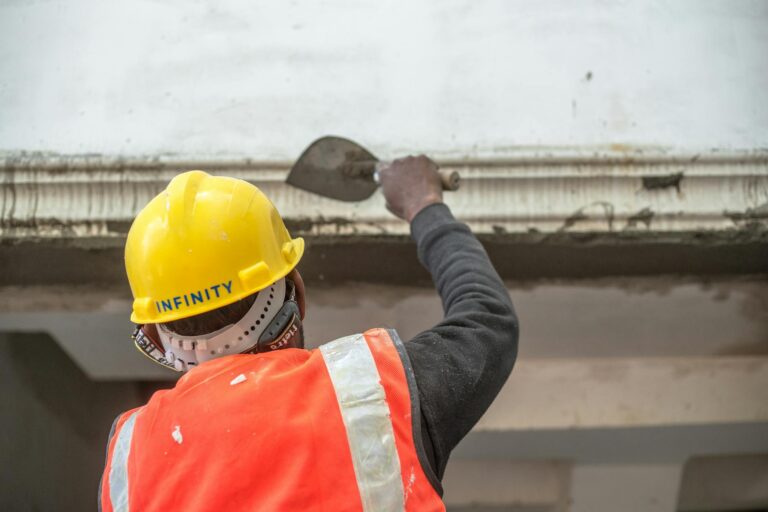
Research proves that the first UK Plasterer to respond to an enquiry wins the job more often than not. Here’s why fast quoting with CoreQuote helps you win more homeowner work.
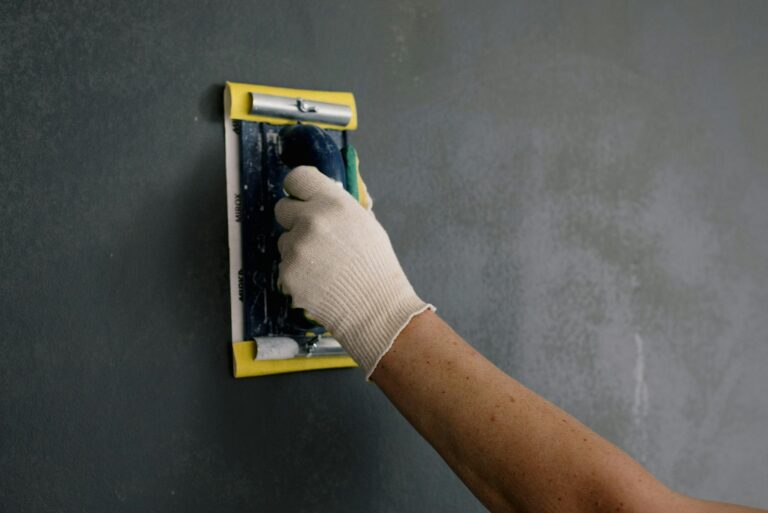
Knowing how to quote for plastering work accurately is the foundation of a profitable plastering business. Quote too low and you work hard for little reward. Quote too high without justification and you lose jobs you could have won. This guide covers exactly how to quote for plastering work – from measuring to pricing to…

Research proves that the first UK Solar Installer to respond to an enquiry wins the job more often than not. Here’s why fast quoting with CoreQuote helps you win more homeowner work.

2026 Plasterer rate benchmarks — UK market rates Hourly rate £25–£65 Day rate £220–£380 Call-out fee £60–£90 Source: Checkatrade 2026. Rates vary by location, experience and job complexity. How much does a plasterer charge per hour in the UK? In 2026, plasterers typically charge £25-£65 per hour depending heavily on region — London and the…

How to price a job when material costs keep changing is one of the most practical challenges facing UK tradespeople in 2026. Copper prices track global commodity markets. Timber fluctuates with European supply. Specialist components like heat pump units and solar inverters carry their own price volatility. Get your approach wrong and you’re absorbing cost…
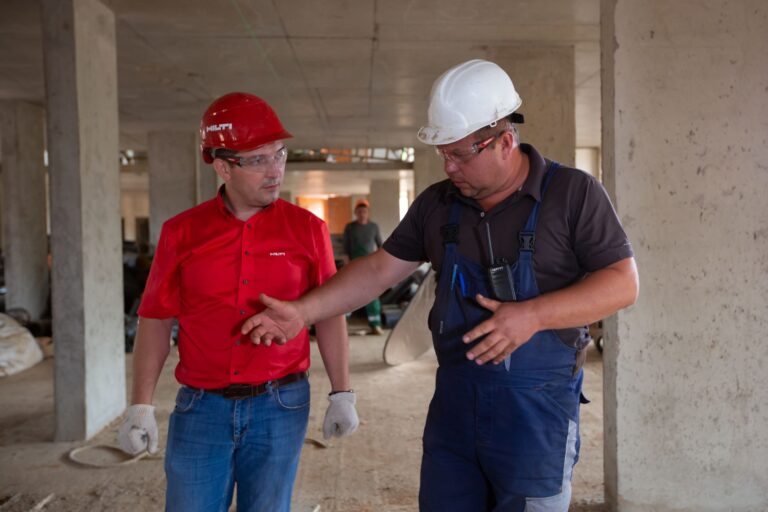
Pricing commercial construction work is fundamentally different to domestic. The stakes are higher, the procurement process is more formal, and the factors that determine your margin are more complex. Get it right and commercial work can be highly profitable. Get it wrong and you can lose significant money on a single contract. This guide covers…

Most tradespeople don’t have terms and conditions. The ones who do have usually borrowed them from somewhere and haven’t read them properly. Well-written T&Cs protect you in a dispute, set clear expectations with customers, and signal professionalism. They don’t need to be complex – but they do need to cover the right things. Here’s what…
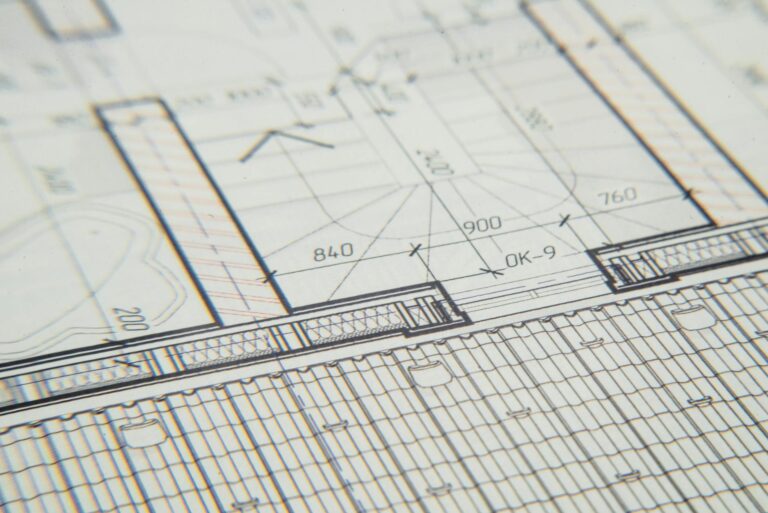
Scope creep is the slow expansion of a job beyond what was originally agreed – and it’s one of the biggest sources of lost money in the trades. It often starts small: a customer asks you to “just take a look” at something else while you’re there. You do it, being helpful. Then it happens…

Asking for a deposit is one of the most important habits you can build as a tradesperson or construction business. It protects your materials cost, confirms the customer is genuinely committed, and significantly reduces the risk of non-payment. Yet many tradespeople avoid asking for one because they’re worried the customer will walk away. The truth…

Most tradespeople send a quote and then wait. They assume that if the customer is interested, they’ll be in touch. In reality, most customers are just busy. They received the quote, they meant to respond, and then life got in the way. A polite follow-up wins a significant number of jobs that would otherwise have…

“I gave him a quote and he’s now holding me to a price I can’t do it for.” This is one of the most common disputes in the trades – and it almost always comes down to one thing: the tradesperson said “quote” when they meant “estimate.” These two words are not interchangeable. In a…

Most tradespeople set their hourly rate once – usually when they first went self-employed – and never revisit it. That rate was probably based on what a colleague charged, a rough sense of what felt fair, or what they thought customers would accept. Not on what they actually need to earn. This guide gives you…

“I got three quotes and yours was the most expensive.” If you’ve been trading for more than a few months, you’ve heard this. Probably more than once. Here’s what most tradespeople do when they hear it: apologise, lower the price, or both. Here’s what they should do: understand why it’s happening and fix the root…

Two tradespeople. Same skill level. Same price. One wins the job, one doesn’t. The difference is almost always the quote. A professional, well-structured quote does several things at once: it signals that you’re organised and trustworthy, it sets clear expectations so there are no arguments later, and it gives the customer confidence to say yes….

Most tradespeople undercharge. Not because they don’t know their worth – but because they’re guessing. They price a job based on what feels right, what a mate charges, or what they think the customer will accept. Then they wonder why, after a solid week on the tools, the bank account doesn’t reflect it. Pricing properly…