How to Quote for Plastering Work: Rates, Templates and Tips
Knowing how to quote for plastering work accurately is the foundation of a profitable plastering business. Quote too low and you work hard for little reward. Quote too high without justification and you lose jobs you could have won. This guide covers exactly how to quote for plastering work – from measuring to pricing to presenting your quote professionally.
How to Quote for Plastering Work: The Measurement Method
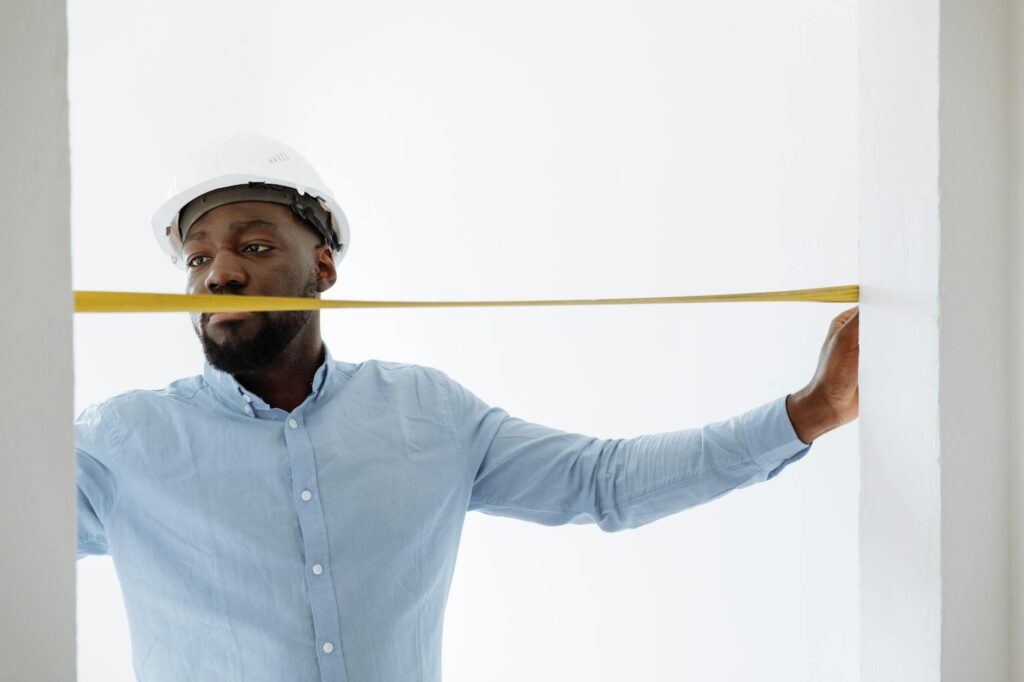
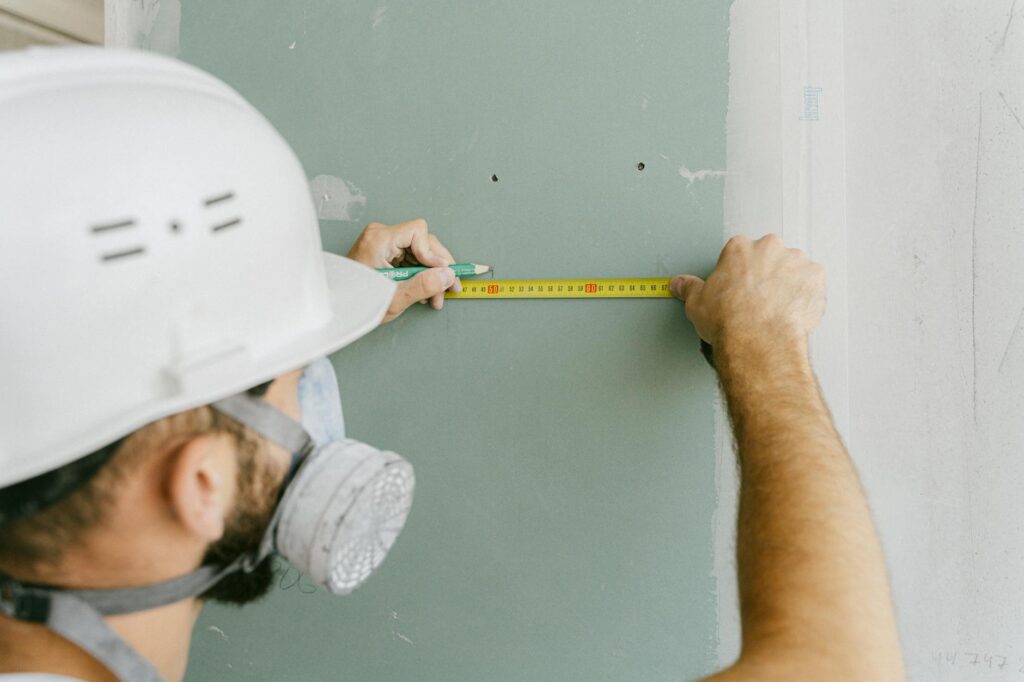
Quoting for plastering work starts with accurate measurement. The standard approach:
For wall skimming:
Measure height × width of each wall in metres. Deduct 50% for large openings (doors, windows). Total = m² to price.
For ceiling skimming:
Measure room length × room width. Allow for any obstructions.
For rendering:
Measure external wall areas. Note material – sand and cement, monocouche, or through-colour render each carry different m² rates.
Tip: Measure on-site, not from floor plans. Floor plan dimensions are often inaccurate and don’t account for alcoves, chimney breasts, or existing damage.
Plastering Price Guide: Current UK Rates (2026)
| Plastering job type | Typical rate | Notes |
|---|---|---|
| Skim coat (walls) | £7-£12/m² | Including bagging out, excluding materials |
| Skim coat (ceilings) | £8-£14/m² | Ceiling work commands premium |
| Dot and dab boarding | £15-£22/m² | Labour only |
| Dry lining metal stud partition | £18-£28/m² | Labour only |
| Sand and cement render (per m²) | £20-£38/m² | Depends on coats required |
| Monocouche render (per m²) | £28-£45/m² | Labour and material |
| Patch repair (per patch) | £80-£200 | Min call-out charge applies |
Current benchmarks from MyJobQuote and Checkatrade.
What Your Plastering Quote Should Include
A professional plastering quote should include:
- Your business details – name, contact, VAT number if applicable
- Customer details and job address
- Scope of work – specific rooms, surfaces, and preparation required
- Materials – who supplies (you or customer), and type of plaster specified
- Price breakdown – labour and materials as separate line items
- Preparation requirements – what the customer must do before you start
- Start date and duration
- Payment terms – deposit and balance
- Validity period – 30 days is standard
Common Quoting Mistakes Plasterers Make

Not accounting for prep time: A room that needs extensive hacking off, dubbing out, or scratch coat before skimming takes significantly longer than a straightforward skim. Price preparation work separately.
Underestimating materials: Plaster prices fluctuate. Always check current British Gypsum or Thistle plaster prices before quoting, especially on larger jobs.
Not including waste disposal: Bags of plaster, old plaster, packaging – waste disposal time and cost should be in every quote.
Forgetting access time: In occupied properties, furniture moving, protection laying, and tidying up adds 30-60 minutes per room. Price it.
Presenting Your Plastering Quote Professionally
A professional quote for plastering work wins more jobs than a rough number sent by text. Use a quoting app or template that includes your logo, clearly states the scope, and has a formal approval mechanism.
The faster you send a plastering quote after the survey, the more likely you are to win it. Send within 24 hours if possible.
Frequently Asked Questions
How do I quote for plastering a room?
Measure all wall and ceiling areas in m². Apply your per-m² rates for the specific work involved (skimming, rendering, boarding etc.). Add materials cost if you’re supplying them. Add preparation time. Total the job and present as a fixed price with clear scope.
Should I include materials in my plastering quotes?
Most plasterers include materials in their quotes. It gives the customer a single price, reduces haggling, and allows you to apply a reasonable materials margin (10-15%). Specify the brands you’re using – British Gypsum products are recognised quality signals.
What’s a fair margin on plastering materials?
10-15% on materials is standard and widely accepted. You’re sourcing, collecting, and managing waste for the materials – that has a cost.
How far in advance should I quote plastering work?
Quote immediately after the survey – ideally the same day or next morning. Customers typically request multiple plastering quotes simultaneously and make decisions quickly. The first professional plastering quote usually wins.
CoreQuote makes quoting for plastering work fast and professional. Build quotes from your phone with saved line items for your standard rates. Download free on Android — get CoreQuote free.
Related reading:
- How to Start a Plastering Business in the UK: The Complete Guide
- How Much Does a Plasterer Charge Per Hour in the UK? (2026 Guide)
- How to Get More Work as a Plasterer: 10 Proven Methods
- What Qualifications Do You Need to Be a Plasterer in the UK?
Want to quote faster? CoreQuote is a free quoting app built specifically for UK trades businesses — create professional quotes in seconds, get digital sign-off from customers, and convert to invoices with one tap. Try it free today.
Most plasterers quote by area — price per square metre for skim, render, or dot and dab. The quote should itemise materials (bonding, finishing plaster, beading) and labour separately, include any prep work (removing old coving, filling cracks, PVA sealing), and specify the number of coats. Always state the surface condition assumption in the quote — uneven or previously tiled surfaces take longer and should be priced accordingly.
Plastering prices in the UK vary by region and job type. Skim plastering of a standard room (ceiling and four walls, roughly 40–50m²) typically costs £350–£600. Re-skimming a ceiling alone costs £150–£300. Full re-plaster with dot and dab costs more, typically £600–£900 for a standard room. London prices run 20–30% higher than the national average. Always get three quotes for fair market comparison.
Only if the plastering business is VAT registered, which is required once annual taxable turnover exceeds the current VAT registration threshold (check HMRC for the current figure). Below that threshold, quotes should not include VAT. If you are VAT registered, the quote must show the net price, VAT percentage, VAT amount, and the gross total separately, along with your VAT registration number.