How to Start a Bricklaying Business in the UK
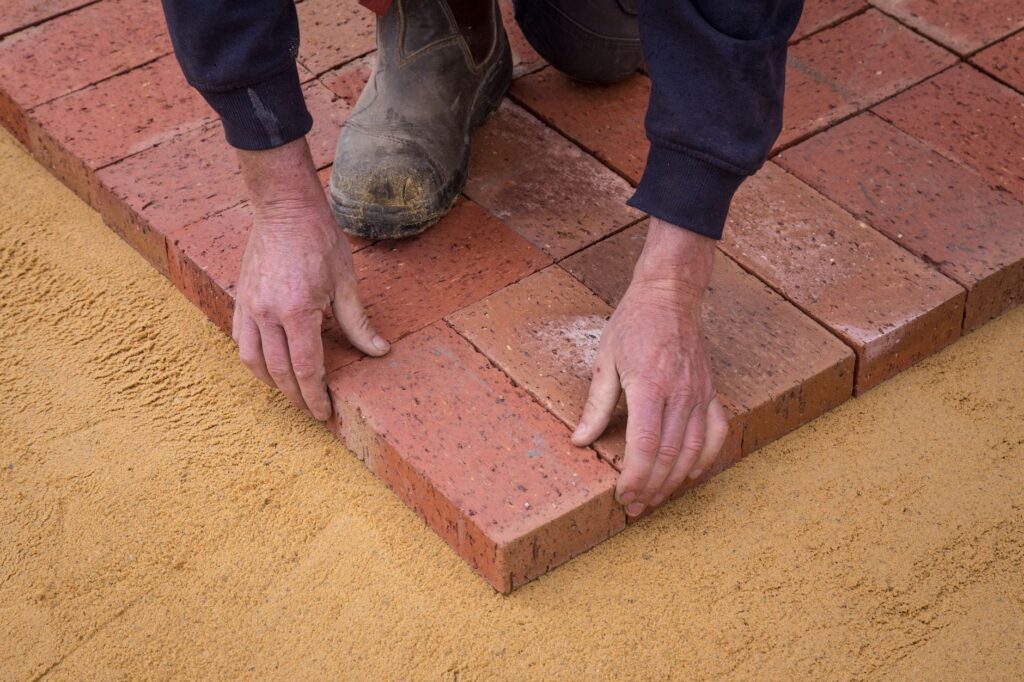
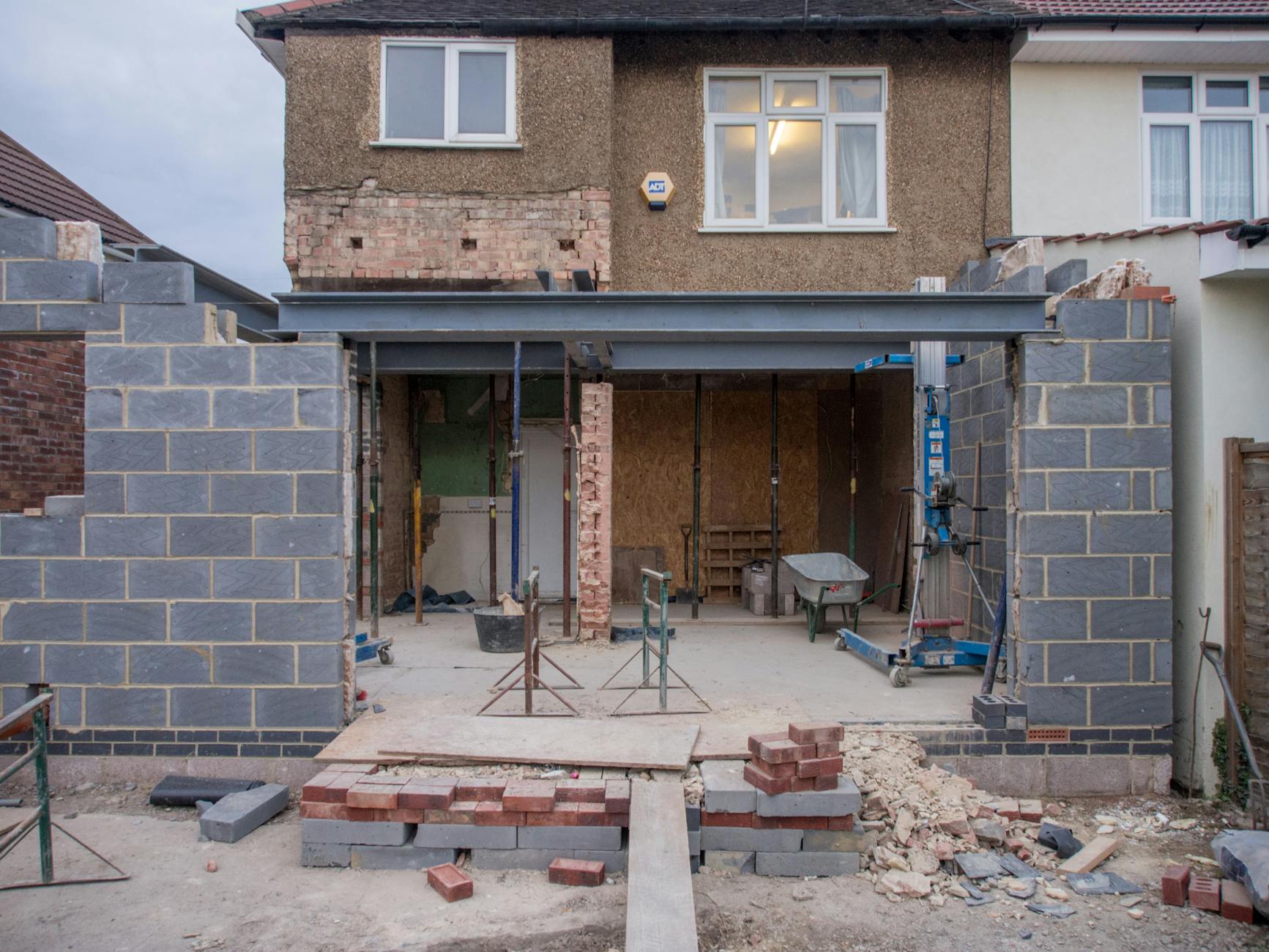
If you want to know how to start a bricklaying business in the UK, the market is strong and the skills shortage is acute. Qualified bricklayers are among the most in-demand tradespeople in the UK – the housing sector requires far more bricklayers than the industry can supply.
Register Your Bricklaying Business
Register as a sole trader at gov.uk/register-for-self-assessment or as a limited company at Companies House. Set aside 25-30% for tax. See HMRC guidance.
Insurance for a Bricklaying Business
| Insurance | Why |
|---|---|
| Public liability (£2m minimum) | Structural and property damage liability |
| Tools insurance | Mixers, levels, trowels, scaffolding equipment |
| Van insurance (business use) | Required for commercial use |
| Employers liability | Legally required if employing anyone |
Get quotes at Simply Business.
CSCS Card for Bricklayers
A CSCS Blue Skilled Worker card – requiring NVQ Level 2 in Bricklaying and the CITB H&S test – is essential for commercial and new build site access.
Finding Customers for a Bricklaying Business
New build developers – the largest single source of bricklaying work. Getting on a developer’s approved list provides consistent volume. Builders and contractors – most small builders subcontract bricklaying. One good builder relationship keeps a bricklayer busy. Domestic extensions and walls – garden walls, extensions, and new driveways. Checkatrade and Rated People generate domestic leads.
Bricklaying Rates 2026
| Job type | Rate |
|---|---|
| Day rate | £200-£340/day |
| Bricklaying (per 1,000 bricks) | £300-£600 |
| Block laying (per m²) | £15-£30/m² |
| Garden wall (per linear metre) | £100-£300/m |
See Checkatrade’s bricklayer cost guide for benchmarks.
Conclusion
Starting your own trades business is one of the most financially and personally rewarding things a skilled tradesperson can do. The foundations – the right structure, the right insurance, the right systems – take a few weeks to set up properly, but getting them right from the start saves significant time and money further down the line. For further guidance, visit British Masonry Society.
[wpcode id=”1672″]
Frequently Asked Questions
Do you need qualifications to start a bricklaying business?
No licence required but a CSCS Blue card (NVQ Level 2) is essential for commercial work. See CITB’s bricklaying apprenticeship information for qualification routes.How much can a bricklaying business earn?
A sole trader bricklayer typically earns £45,000-£80,000/year depending on volume, day rate, and market. New build bricklayers work at pace and can earn at the higher end consistently.Related reading: